
Connecting In Vivo Efficacy to Ex Vivo Cellular Metabolism, Flow Cytometry, and Omics Readouts

In vivo efficacy data tell you whether a compound works, but rarely explain why or predict which patients will respond. Ex vivo cellular metabolism assays, flow cytometry, and omics-style readouts extract mechanistic evidence from the same animals that generated your primary endpoints. Layering these platforms onto efficacy studies transforms a binary result into a mechanistic dataset that supports dose selection, biomarker development, and translational strategy.
The integration is not automatic. Sample collection timing, tissue handling, assay compatibility, and analytical alignment must be planned before the study begins rather than retrofitted afterward. In contrast to catalog-selected stand-alone studies, well-designed multi-modal studies generate coherent evidence linking functional outcomes to cellular and molecular mechanisms, giving development teams the confidence to advance programs into IND-enabling work.
How Do You Link In Vivo Efficacy Data to Ex Vivo Mechanistic Readouts?
Multi-modal integration requires prospective study design that specifies which tissues, timepoints, and cell populations will feed which downstream assays. Seahorse metabolic flux, flow cytometry immune phenotyping, and transcriptomic or proteomic profiling each impose distinct sample handling constraints that shape the overall protocol. Coordinated planning across platforms allows a single efficacy study to generate functional, cellular, and molecular evidence from the same treated animals.
Why Seahorse Metabolic Flux Extends the Value of In Vivo Efficacy Studies
Seahorse extracellular flux analysis measures oxygen consumption rate and extracellular acidification rate in real time, quantifying mitochondrial respiration and glycolytic activity. Applied to cells isolated from treated animals, the platform reveals whether metabolic reprogramming underlies observed functional changes in cardiac, immune, or fibrotic disease models. Metabolic phenotyping is particularly informative in heart failure, pulmonary hypertension, and cancer programs where energetic dysfunction drives pathology.
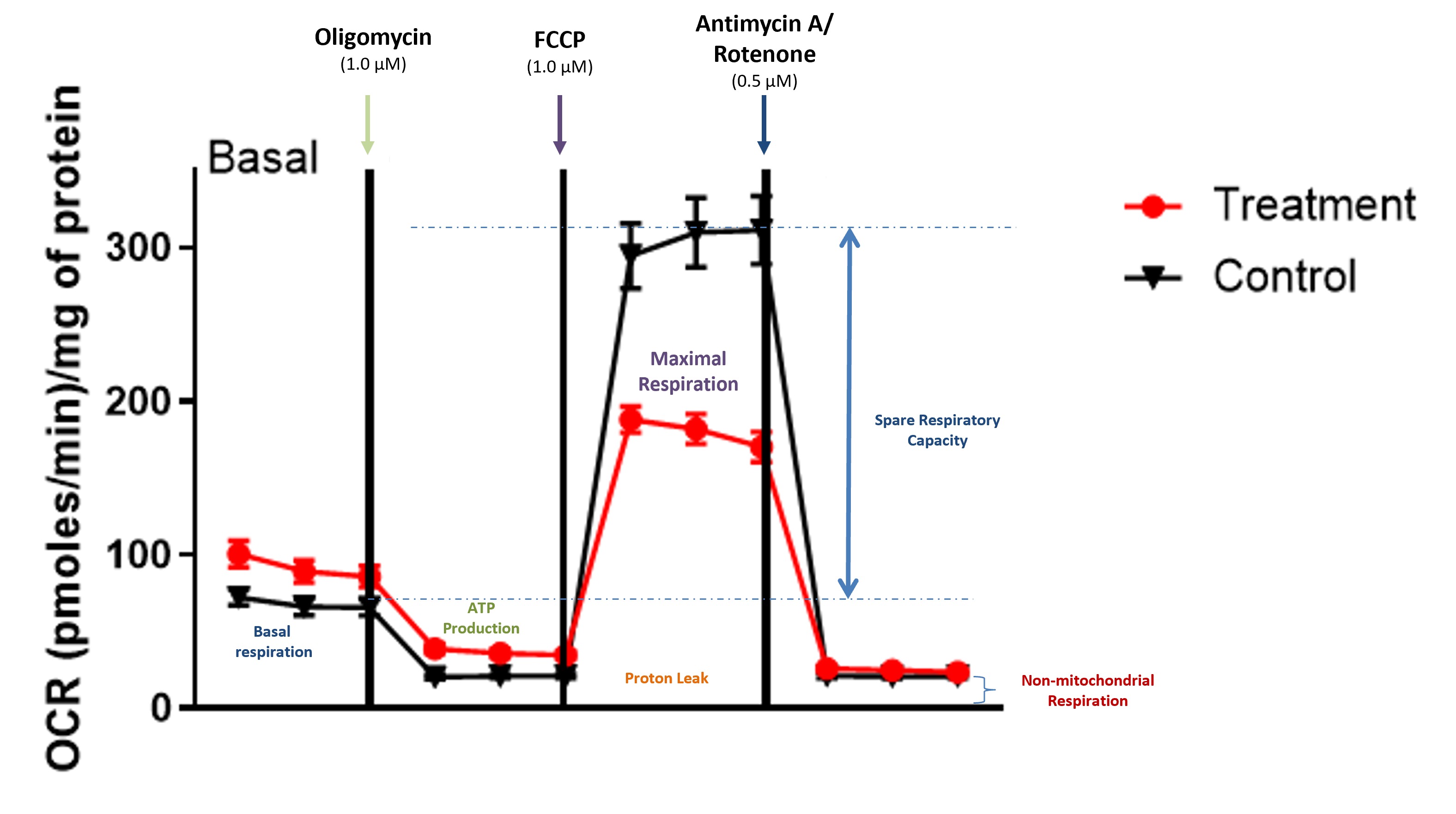
Metabolic readouts pair naturally with functional endpoints such as echocardiography or right ventricular hemodynamics. For example, our pulmonary hypertension models generate paired functional and metabolic evidence across the disease progression, linking respiratory chain activity to right ventricular remodeling. The result is a dataset that supports both pharmacodynamic conclusions and translational biomarker hypotheses.

Flow Cytometry as a Bridge Between Efficacy and Cellular Mechanism
Flow cytometry resolves cellular heterogeneity within tissues, quantifying immune subsets, activation states, and rare populations relevant to disease pathology. Modern spectral cytometers characterize twenty to forty parameters per cell, enabling deep immunophenotyping from a single tissue sample. In vivo efficacy studies gain substantial mechanistic depth when paired with flow cytometry panels designed around the compound's mechanism of action.
Designing Flow Panels to Support In Vivo Efficacy Conclusions
Panel design should follow the therapeutic hypothesis rather than default to generic phenotyping. If your compound targets myeloid inflammation in a fibrosis model, the panel should resolve macrophage polarization states, monocyte subsets, and neutrophil activation markers. Furthermore, functional markers such as intracellular cytokines or proliferation dyes convert phenotypic snapshots into evidence of active biological processes.
Tissue-specific considerations shape panel execution. Lung digestion protocols must balance yield against epitope preservation, while liver and adipose tissue require optimized enzymatic dissociation to release rare populations without damaging surface markers. According to Nature Reviews Immunology, multiparameter flow cytometry has become a central technology for high-dimensional immune profiling, enabling detailed analysis of immune cell phenotypes and functions in immunology research.
Additionally, gating strategies should be defined prospectively and applied consistently across cohorts to eliminate analyst-driven variability. Automated gating and dimensionality reduction methods such as UMAP or FlowSOM support unbiased identification of treatment-responsive populations. Sponsors developing agents in inflammatory and fibrotic indications benefit from flow strategies designed alongside the efficacy readouts they need to explain.
Integrating Omics Readouts With In Vivo Efficacy Datasets
Transcriptomic, proteomic, and metabolomic profiling extends mechanistic interpretation beyond what functional and cellular assays alone can provide. Bulk RNA sequencing on target tissue identifies pathway-level responses to treatment, while single-cell approaches resolve which populations drive the observed signal. Proteomics and metabolomics add layers of validation, confirming that transcriptional changes translate into functional protein and metabolite shifts.

Sample handling is the primary constraint. RNA integrity degrades within minutes of tissue collection, and proteomic and metabolomic samples require rapid stabilization to preserve labile species. Meanwhile, coordination between the necropsy team, tissue processing, and downstream analytical labs must be scripted into the study protocol from the outset.
Robust integration of omics with in vivo efficacy studies typically involves the following elements:
Prospective tissue allocation across functional, cellular, and molecular endpoints so that a single animal contributes to multiple analytical layers
Bioinformatic analysis plans defined before sample collection, including differential expression thresholds and pathway enrichment strategies
Cross-platform validation comparing transcriptomic signals against protein-level and functional readouts to confirm biological coherence
Statistical frameworks that account for multiple testing across thousands of features while preserving power to detect treatment effects
Interpretation improves when omics data anchor to established disease biology rather than being mined for novelty alone. The scientific direction team works with sponsors to align omics endpoints with the therapeutic hypothesis, ensuring molecular datasets clarify rather than complicate the efficacy narrative.
Building Multi-Modal Studies That Answer Real Development Questions
The scientific value of integrating Seahorse, flow cytometry, and omics readouts with in vivo efficacy studies lies in the coherence between platforms. A treatment effect on cardiac function that aligns with mitochondrial respiration recovery, immune cell repolarization, and coordinated transcriptional changes carries substantially more interpretive weight than any single readout alone. The multi-modal architecture also identifies discrepancies early, flagging assets whose apparent efficacy lacks mechanistic support.
IPS Therapeutique designs and executes integrated preclinical programs from our Sherbrooke facility, combining validated disease models with metabolic, cellular, and molecular readouts under coordinated study designs. Our scientific directors work with sponsors to define which platforms answer which questions, allocate tissues prospectively, and interpret cross-platform data within the translational context of the program. To discuss a multi-modal study for your compound, connect with our team through the contact page.


Comments